For most of modern history, hard work was one of the most reliable paths to success.
Work longer hours. Learn more skills. Put in the reps. Outwork the competition.
While talent and luck always mattered, effort often had a direct relationship with output.
Then AI arrived.
And for the first time in a long time, we're being forced to reconsider what creates value.
A designer can generate twenty concepts before breakfast. A marketer can draft a campaign in minutes. A developer can write code with the help of an AI assistant. Tasks that once took days can now be completed in hours.
The immediate reaction to this has been anxiety.
Will AI replace jobs? Will expertise matter less? Will hard work become obsolete?
Maybe we're asking the wrong question.
The more interesting question is: what happens when execution becomes cheap?
Historically, execution was a competitive advantage. If you could work faster, produce more, or operate at a greater scale than others, you had an edge.
But AI is rapidly reducing the cost of execution.
When everyone has access to powerful tools, the bottleneck shifts elsewhere.
“When everyone has access to powerful tools, the bottleneck shifts elsewhere. It shifts to imagination.”
The challenge is no longer creating something. It's deciding what to create.
Think about it this way. Give a hundred people access to the same AI tools and you'll get a hundred different outcomes. Some will generate generic content. Others will create products, stories, businesses, and experiences that feel genuinely original.
The difference won't be who worked harder with the tool.
It will be who asked better questions.
Who connected unrelated ideas.
Who spotted opportunities others missed.
Who imagined something worth building in the first place.
In many ways, AI is exposing a truth that has always existed.
Technology tends to commoditize execution and amplify vision.
The internet didn't eliminate the need for ideas. It increased their value. Social media didn't eliminate creativity. It rewarded those who could capture attention in new ways.
AI may do something similar.
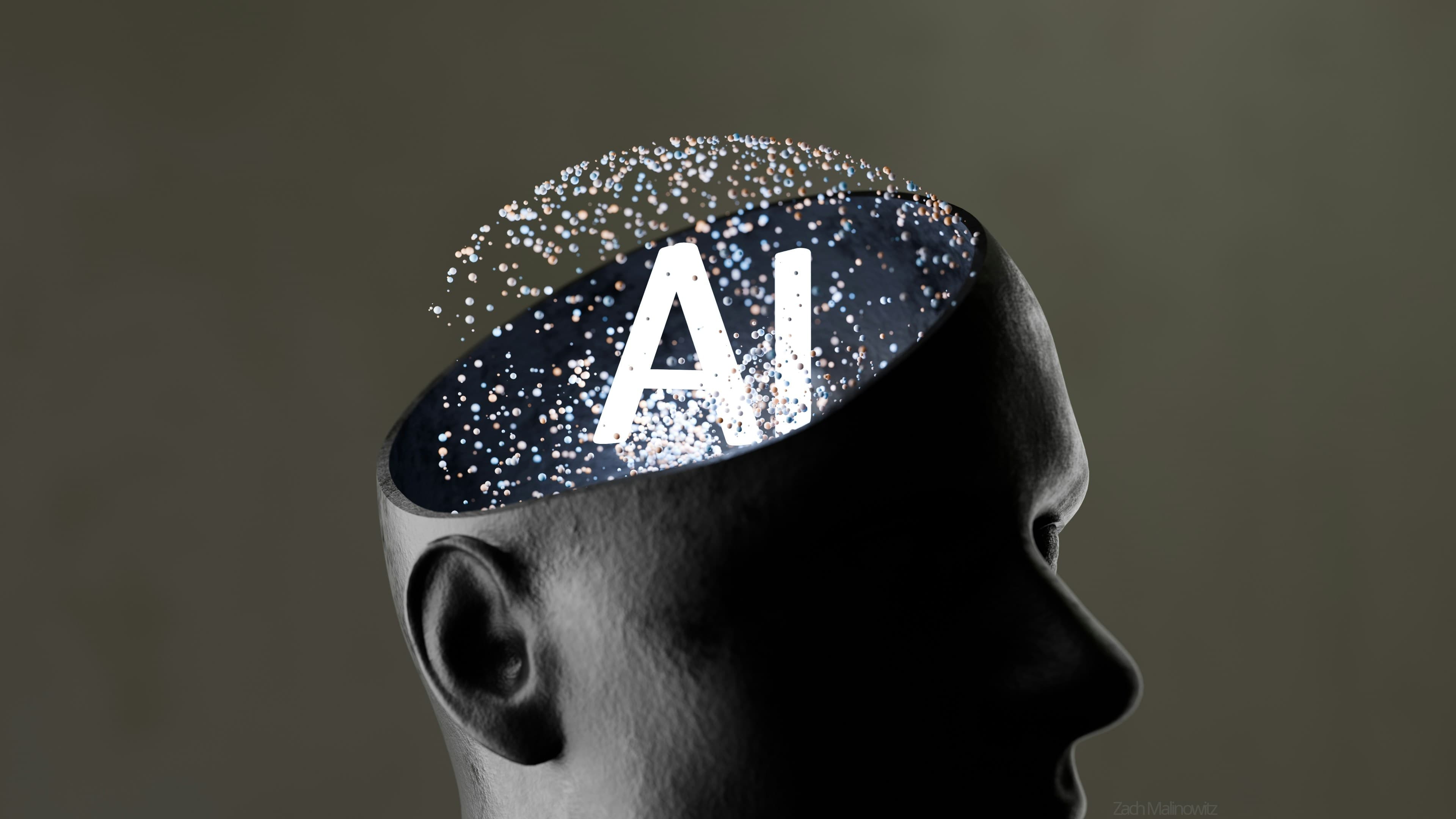
Of course, this doesn't mean hard work no longer matters.
That's where many people get the story wrong.
Imagination without execution is still just imagination.
The difference is that the nature of hard work may change.
Instead of spending ten hours producing a first draft, people may spend ten hours refining an idea. Instead of manually completing repetitive tasks, they may spend their energy exploring possibilities, making decisions, and developing judgment.
The future may belong to those who combine both.
The imagination to see what others don't.
And the discipline to turn those ideas into reality.

AI can write a business plan.
It can't decide what problem is worth solving.
Because while AI can generate answers, it still struggles to generate ambition.
It can create a hundred product concepts, but it can't tell you which one truly matters.
That remains a human responsibility.
Perhaps that's why the age of AI won't be the end of hard work.
It will be the end of hard work as the only advantage.
As execution becomes increasingly automated, imagination may become the scarce resource.
And throughout history, scarcity is what creates value.
The people who thrive in the AI era won't necessarily be the ones who work the longest hours.
They'll be the ones who can imagine possibilities that everyone else overlooks, and then use technology to bring those possibilities to life.