A few years ago, waiting was a normal part of life.
You waited for a cab. You waited for food. You waited for a website to load. You waited for the weekend to watch a movie. Sometimes you waited months for a product to become available in your city.
Today, waiting feels almost offensive.
If a food delivery app estimates 40 minutes instead of 15, we reconsider ordering. If a website takes more than a few seconds to load, we leave. If a message goes unanswered for a couple of hours, we wonder what's wrong.
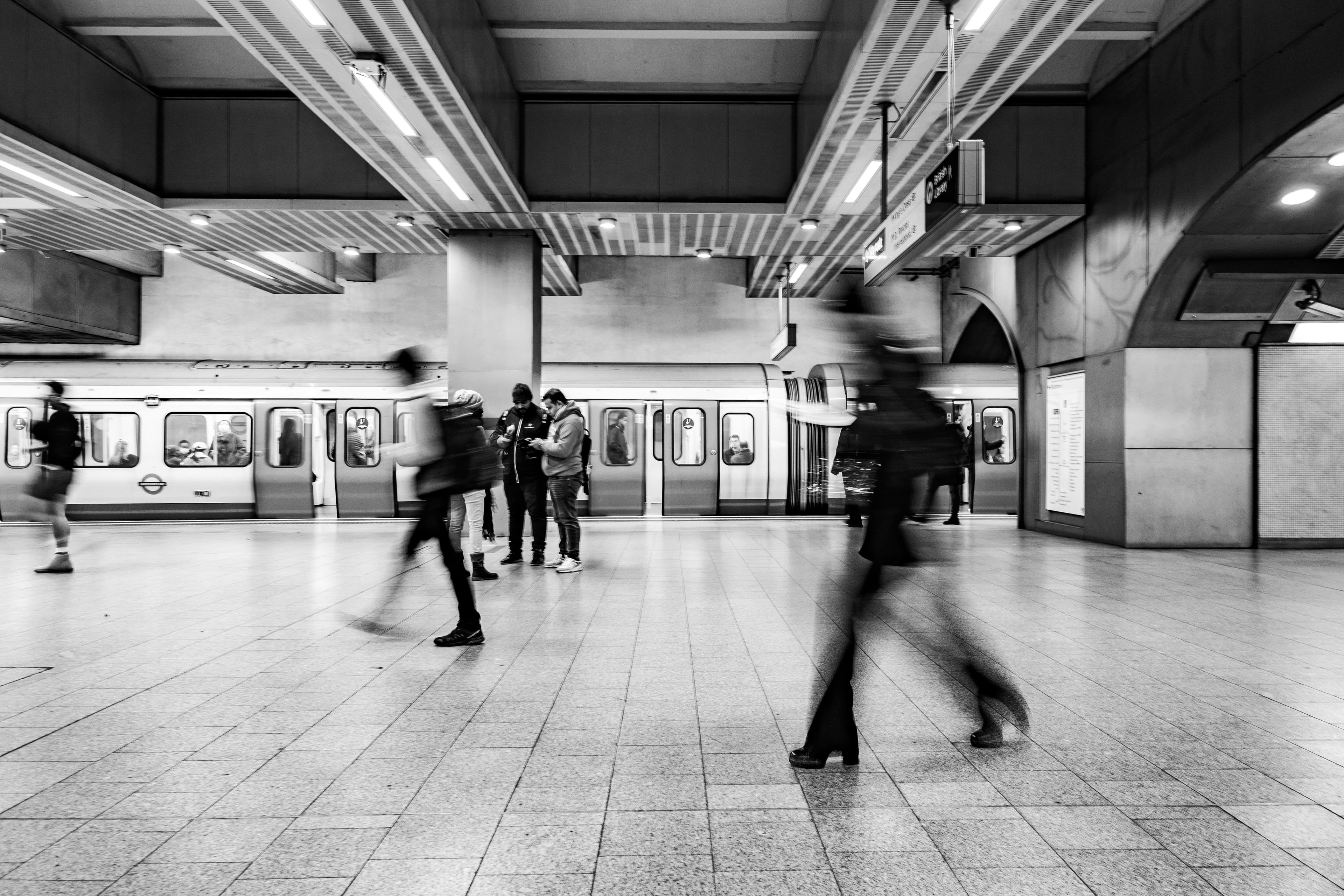
Convenience has become one of the defining features of modern life. With a few taps, groceries arrive at our doorstep, entertainment is available instantly, and answers to almost any question are a search away.
It's an incredible achievement.
But it may also be changing something deeper: our relationship with patience.
The convenience economy isn't just selling speed. It's selling the removal of friction. Every successful product today is built around making things easier, faster, and more seamless than before.
And as friction disappears, our tolerance for it seems to disappear too.
The problem isn't that convenience is bad. Few people would willingly trade next day delivery for a week long wait or give up navigation apps for paper maps.
The question is what happens when convenience becomes the default expectation rather than an occasional luxury.
“Patience has always been closely linked to delayed gratification. Many of life's most meaningful outcomes operate on timelines that cannot be accelerated with a subscription plan.”
Yet we're increasingly surrounded by systems designed to reward immediacy.
A swipe reveals a new video. A tap brings a meal. A notification delivers validation. The gap between desire and fulfillment keeps shrinking.
The risk is that we begin expecting the same speed from areas of life that simply don't work that way.
You can't speed run trust.
You can't one click expertise.
You can't get same day delivery on wisdom.
Ironically, while technology has become faster than ever, the things that matter most remain stubbornly slow.
Great companies still take years to build. Meaningful relationships still require time. Creative breakthroughs still demand periods of uncertainty. Personal growth still involves repetition, mistakes, and patience.
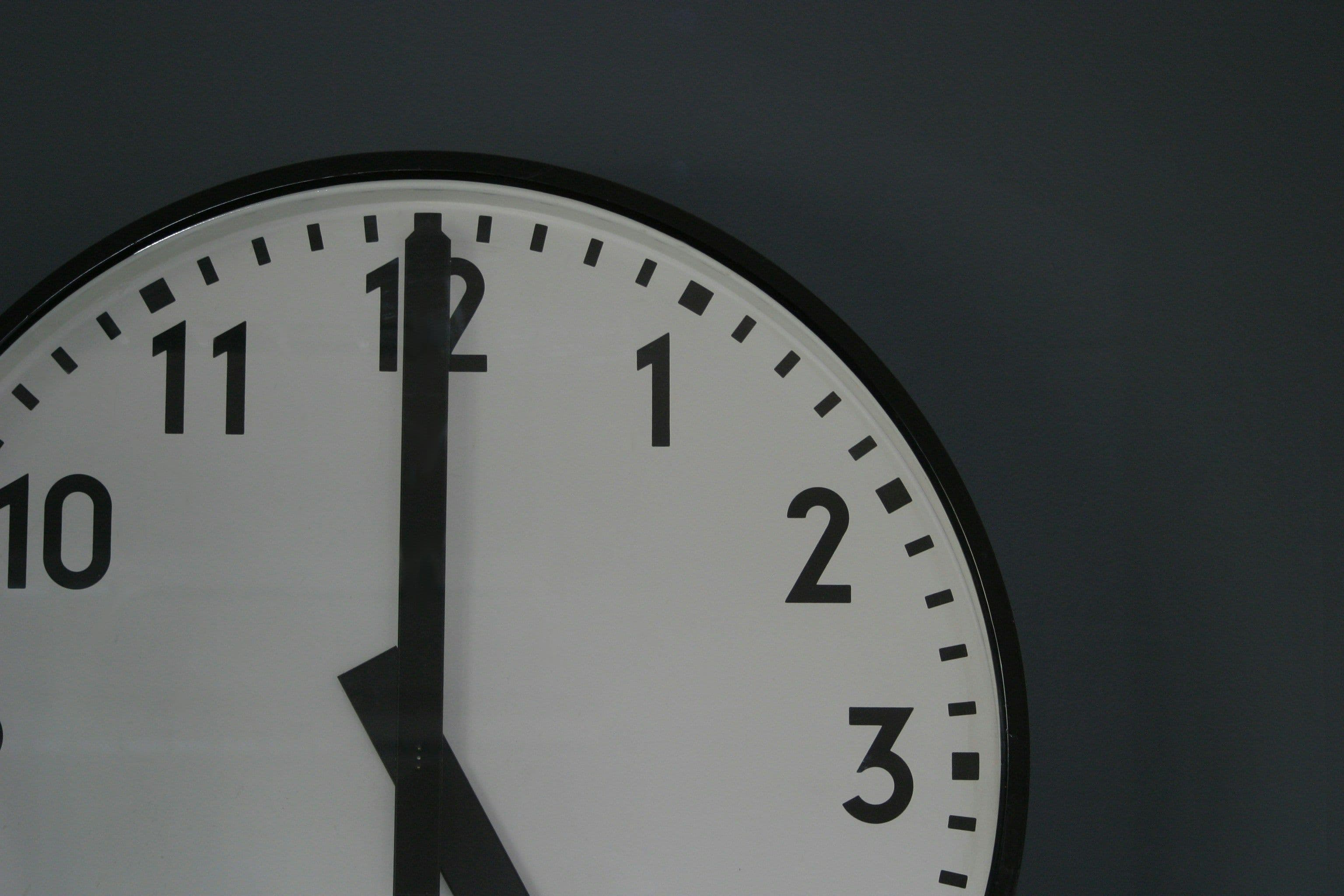
Perhaps that's why patience is becoming more valuable, not less.
In a world optimized for instant results, the people who can tolerate waiting often gain an unexpected advantage. They stick with projects longer. They learn skills more deeply. They give ideas enough time to compound.
The convenience economy has transformed how we live, and for the most part, that's a good thing.
But every technology shapes behavior.
As we continue designing a world that minimizes waiting, it may be worth asking whether we're also minimizing our ability to endure it.
Because the future may belong not only to those who move the fastest, but also to those who still know how to wait.