There was a time when status was obvious.
You could see it in the car someone drove, the watch they wore, or the neighborhood they lived in. Wealth was displayed through ownership, and status followed closely behind.

Today, the signals have changed.
In the internet era, where almost everyone has access to the same products, information, and trends, standing out is no longer about what you own. It's about what you choose. Your favorite coffee shop, the music you listen to, the creators you follow, the clothes you wear, and even the memes you share have become reflections of your identity.
“In short, taste has become a form of social currency.”
The internet has given us unlimited options. Every day we're exposed to thousands of recommendations, products, opinions, and trends. In a world overflowing with choice, the ability to curate becomes valuable. Anyone can buy something popular. Not everyone can discover something meaningful before everyone else does.
A well-curated playlist, a thoughtfully designed workspace, a niche book recommendation, or an underrated restaurant often says more about a person than an expensive purchase ever could. These choices signal awareness, curiosity, and a point of view.
That's why taste
now carries status.
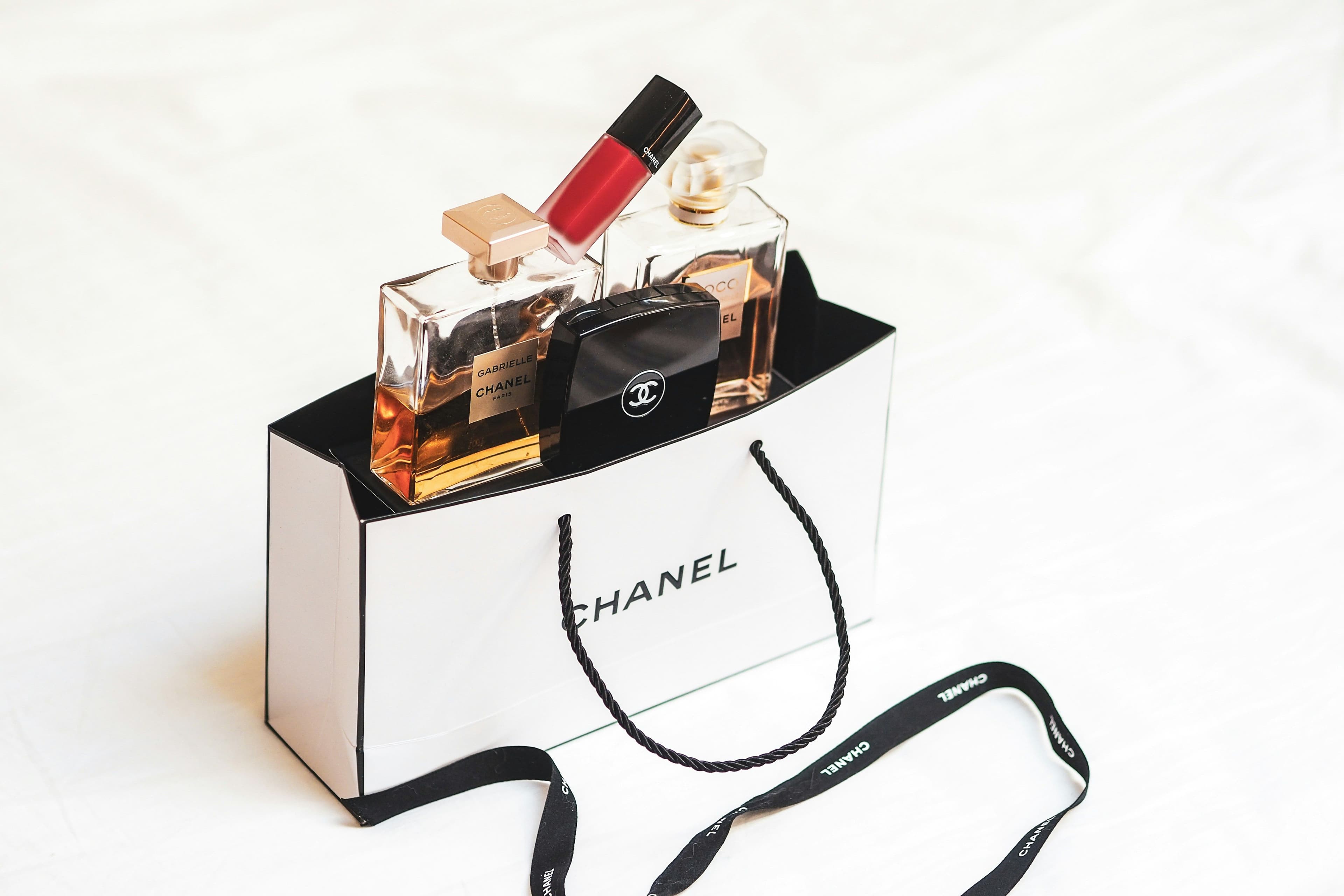
But taste isn't just about aesthetics. It's about judgment.
The people we admire online aren't always the richest. Often, they're the ones with the clearest perspective. They know what they like, what they don't, and why.
Of course, the danger is that taste can become performative. When every preference is public, it's easy to start choosing things for approval rather than genuine enjoyment. Yet authentic taste remains difficult to fake because it comes from curiosity, not consumption.
Not because it's expensive. But because it reflects something far more valuable: individuality.